






WHAT ARE HEAD LICE?
Head lice are parasitic insects that only feed on humans – they are spread through direct head-to-head contact and can’t be caught from or passed on to animals.
Head lice primarily affect:
- Children aged between 4 and 11 years old
- Children with long hair
- Children with siblings
The peak age for catching head lice is 7-8 years old.
Head lice primarily affect:
Children aged between 4 and 11 years old
Children with long hair
Children with siblings
The peak age for catching head lice is 7-8 years old.
Head lice can infest anyone’s hair, regardless of gender, nationality, or race. They’re not a sign of poor hygiene.
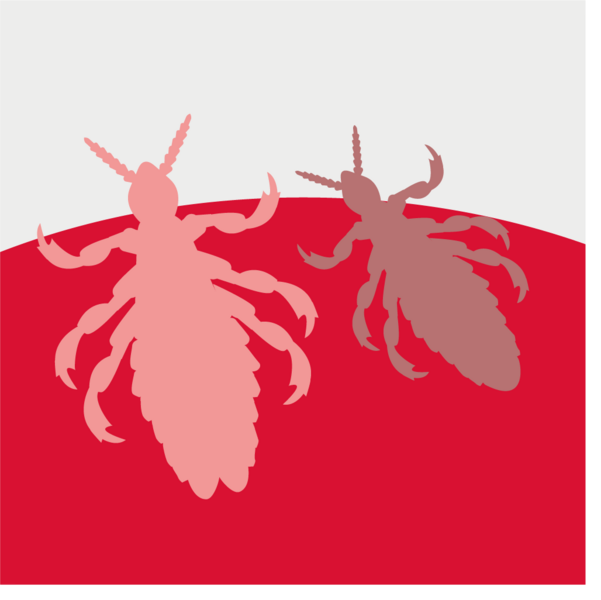
Head lice are very small, about the size of a sesame seed. When fully mature, head lice can be tan, brown, or grey in colour.
Head lice need to feed on human blood to survive. Without a host or food source, lice usually die within 1–2 days.
Head lice can infest anyone’s hair, regardless of gender, nationality, or race. They’re not a sign of poor hygiene.
Head lice are very small, about the size of a sesame seed. When fully mature, head lice can be tan, brown, or grey in colour.
Head lice need to feed on human blood to survive. Without a host or food source, lice usually die within 1–2 days.
HOW HEAD LICE SPREAD
Because head lice can’t fly, swim, or jump, they usually spread via direct head-to-head contact.
The most common places for children to come into contact with head lice – and pass them on – are environments in which there is close human contact:
LIFE CYCLE OF HEAD LICE

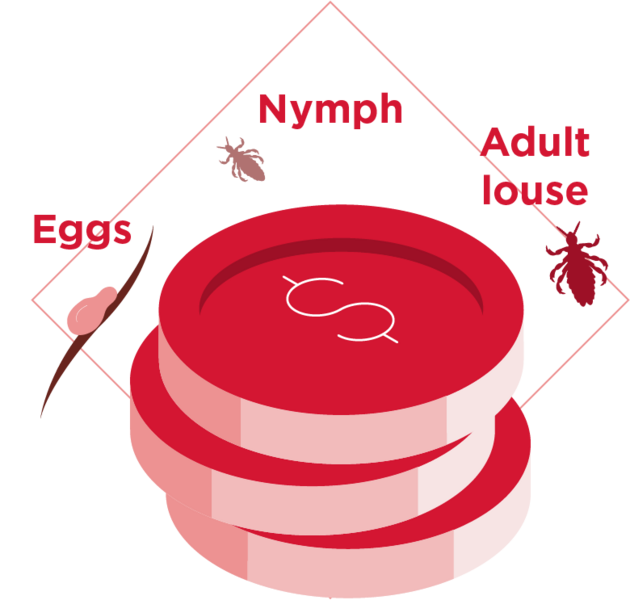
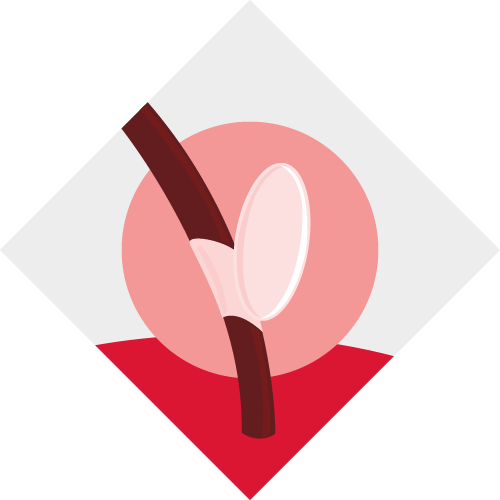
EGGS (NITS)
1–10 days
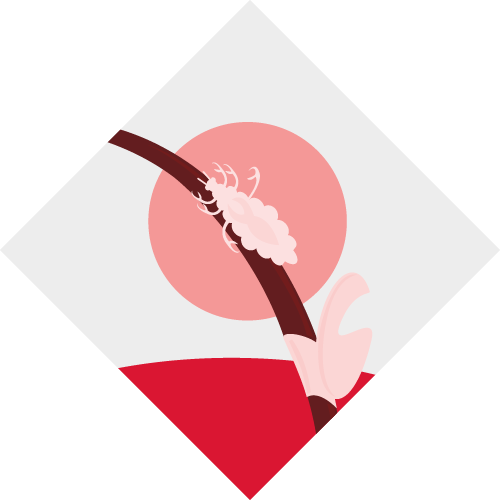
NYMPHS
7–10 days
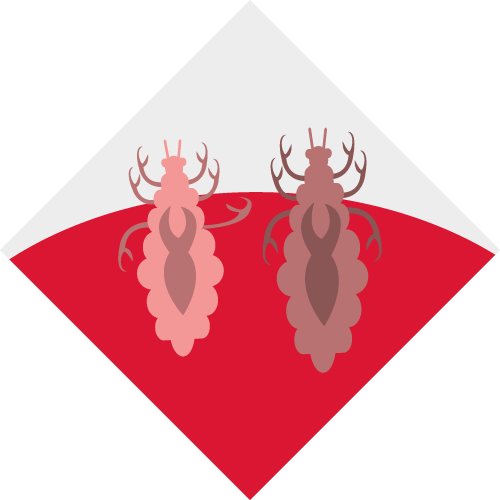
ADULT LOUSE WITH FEMALE LAYING EGGS
30–40 days
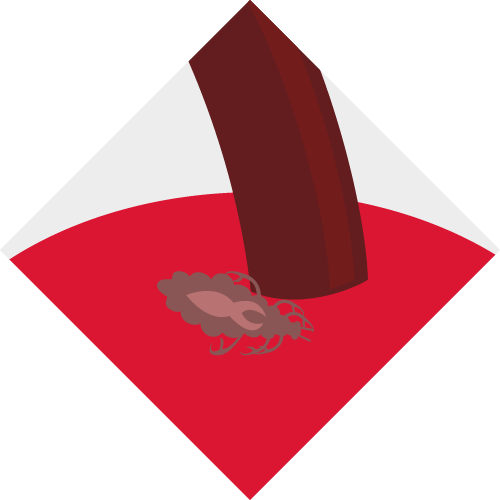
LOUSE DIES
THERE ARE THREE DIFFERENT STAGES OF HEAD LICE:
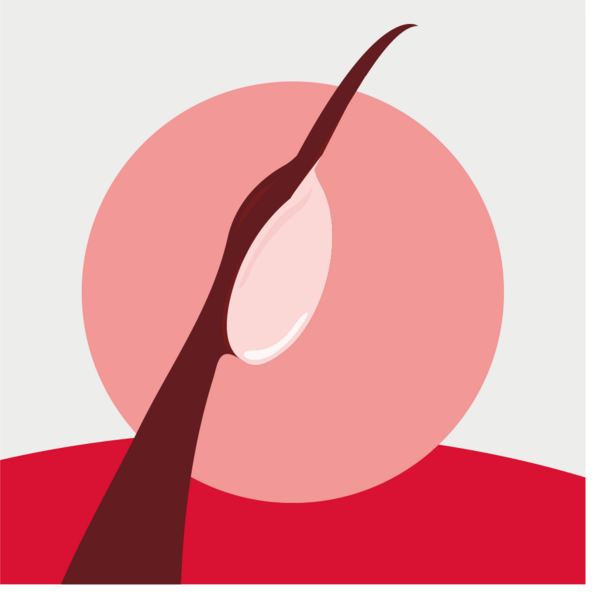
1. EGGS (NITS)
- The eggs (nits) of head lice are usually the most visible sign of an infestation.
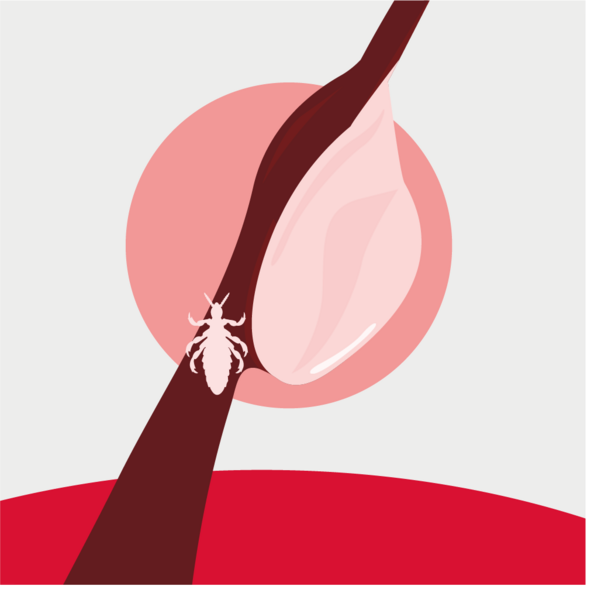
- The adult female louse attaches each egg to the base of a single human hair shaft with a waterproof glue-like substance.
- Live nits are usually brown in colour and are very well camouflaged in hair. Once nits hatch, a white shell remains, which may be easier to spot.
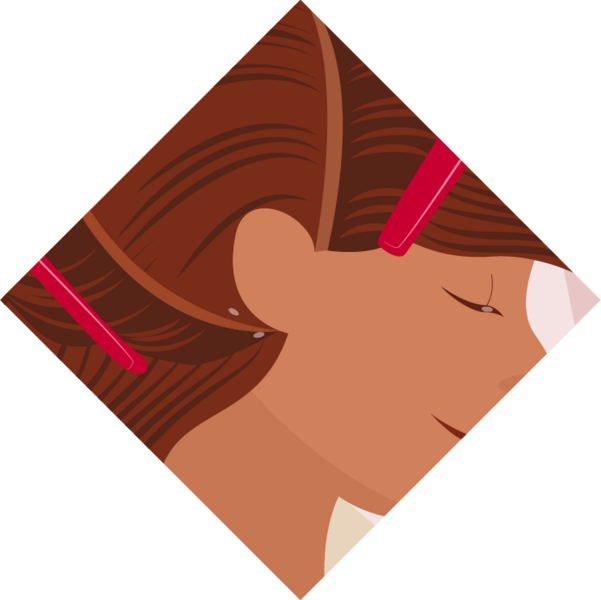
- This parasite prefers a dark, warm environment and is often discovered behind the ears, under a ponytail or at the nape of the neck.
2. NYMPH
- A nymph is an immature louse that hatches from the nit. It takes about 7–10 days after hatching from the nit for a nymph to mature into an adult.
- To prevent an infestation, you want to kill the nymphs before they become adults.
3. ADULT LOUSE
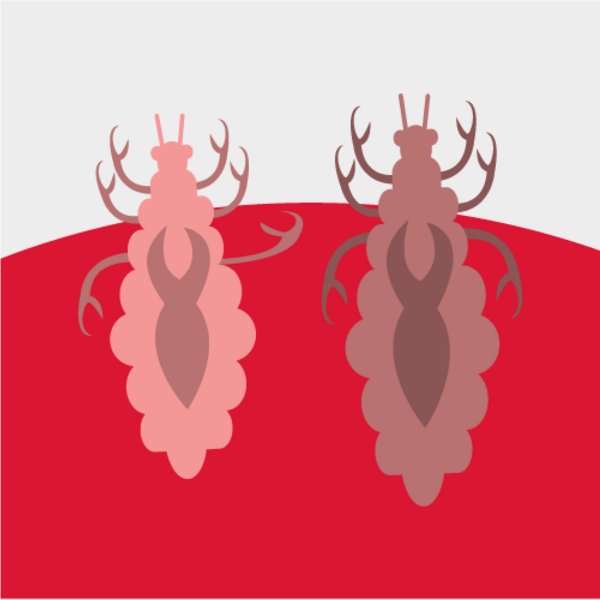
- The fully grown and developed adult louse is about the size of a sesame seed, has six legs, and is tan to greyish-white in colour.
- The head lice themselves are incredibly difficult to spot with the naked eye.
- To live, a louse needs to feed on blood from the human scalp several times a day. Head lice die within 1–2 days without a host or food source.
- A female louse can lay up to 8 eggs daily; they prefer to lay their eggs 0.6 cm from the scalp.